
Things to Do in Waukesha & Milwaukee Counties: August 28-30, 2026Summer may be winding down, but Southeastern Wisconsin is not slowing down! From community festivals and farmers markets to live

Dated: February 28 2025
Views: 11
A home is more than just a place to live—it’s where memories are made, families grow, and safety matters most. At The Hupke Team RE/MAX Service First, we believe that protecting your investment goes beyond buying or selling; it means ensuring your home is a secure and comfortable space for you and your loved ones. One critical aspect of home safety is carbon monoxide (CO) detection—a simple yet essential step in safeguarding your household from an invisible threat. Understanding CO risks, proper detector placement, and regular maintenance can make all the difference in keeping your home and family safe.
Carbon monoxide (CO) is an invisible, odorless gas that can be deadly if undetected. Since it cannot be seen or smelled, CO detectors are essential for protecting you and your family. Many incidents of CO poisoning occur while people are asleep, making it crucial to have detectors installed in key areas of the home.
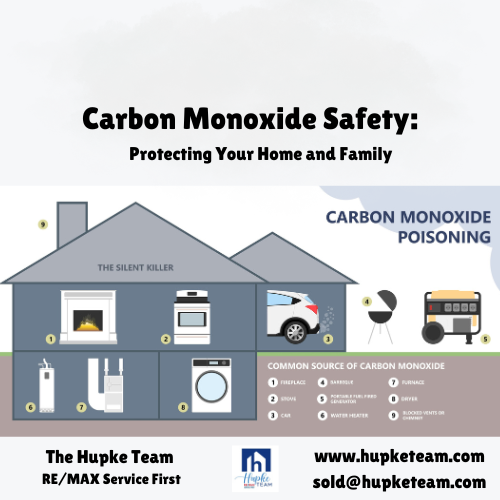
CO poisoning happens when the gas builds up in the bloodstream, replacing oxygen in red blood cells. This can cause severe tissue damage or even death. Common sources of CO include fuel-burning appliances such as gas stoves, furnaces, fireplaces, and generators.
Because CO is undetectable without an alarm, installing a reliable CO detector serves as your home’s first line of defense. However, not all detectors are created equal. Standard CO alarms follow UL (Underwriters Laboratories) guidelines, meaning they only sound when levels reach a dangerous threshold. This delay can allow CO levels to build up in your bloodstream before the alarm triggers.
For better protection, consider using CO detectors with digital readouts that display even low-level CO exposure before it becomes dangerous. Additionally, pay attention to flu-like symptoms such as headaches, dizziness, nausea, confusion, and fatigue, as they may indicate CO exposure.
There are several types of CO detectors available, each with unique benefits:
Battery-Operated Detectors – Portable and easy to install, these function even during power outages but require regular battery changes.
Plug-In Detectors – Convenient to use, these plug directly into an outlet but may need battery backups for power outages.
Hardwired Detectors – Connected to a home’s electrical system, these provide consistent monitoring, often with battery backups.
Smart Detectors – These integrate with smart home systems, sending alerts to your phone if CO levels become dangerous—even when you’re away.
Proper placement ensures CO detectors work effectively:
Near Sleeping Areas – Install a detector outside each bedroom for protection while sleeping.
In Common Living Spaces – Place detectors in frequently used areas like living rooms.
Near Fuel-Burning Appliances – Position detectors close to gas stoves, water heaters, and fireplaces, but not too close to avoid false alarms.
Avoid High-Moisture or High-Ventilation Areas – Steam, fumes, or fluctuating airflow in kitchens, bathrooms, and garages can cause false alarms.
Evacuate Immediately – Leave the home and move to fresh air.
Call 911 – Report the alarm to emergency services.
Do Not Re-Enter – Stay outside until authorities confirm it is safe.
Request CO Level Measurement – Ask the fire department to assess CO levels in your home.
If you or a loved one is experiencing symptoms such as dizziness, confusion, or unconsciousness, provide emergency responders with the following information:
Symptoms experienced
Duration of exposure
CO detector readings (if available)
Whether other household members or pets are affected
In the emergency room, ensure that your CO blood levels are tested using the COHb (carboxyhemoglobin) percentage test. Severe cases may require hyperbaric oxygen therapy.
Install CO Detectors – Place them on every level of your home and near sleeping areas.
Maintain Appliances – Have fuel-burning appliances serviced annually by a professional.
Ensure Proper Ventilation – Never block vents or chimneys, and avoid using fuel-burning appliances in enclosed spaces.
Never Run Engines Indoors – Do not run vehicles, generators, or lawn equipment in garages, even with the door open.
Check Furnace and Water Heater Age – Older systems in homes or apartment complexes may need replacement.
CO poisoning symptoms can mimic the flu or COVID-19, making it difficult to diagnose. Common symptoms include:
Headache
Dizziness
Shortness of breath
Nausea
Confusion
Fatigue
Chest pain
Vision and speech impairments
Severe exposure can lead to unconsciousness, organ damage, or death. If multiple people in a household exhibit symptoms simultaneously, CO poisoning should be suspected immediately.
How many carbon monoxide detectors do I need?
At least one on every level of your home, plus near sleeping areas and fuel-burning appliances.
What should I do if my carbon monoxide detector goes off?
Leave the home immediately and call emergency services. Do not re-enter until authorities confirm it is safe.
Can CO detectors detect gas leaks?
No, they only detect carbon monoxide. A separate gas detector is needed for natural gas or propane leaks.
How often should I replace my carbon monoxide detector?
Most detectors last 5–7 years. Check the manufacturer’s recommendations and replace as needed.
Carbon monoxide is a silent but deadly threat that every homeowner should take seriously. Investing in reliable CO detectors, maintaining fuel-burning appliances, and understanding the signs of CO poisoning can save lives. Make sure your home is equipped with properly placed detectors and take proactive steps to prevent CO exposure. Your safety and the safety of your family depend on it.
At The Hupke Team RE/MAX Service First, we care about more than just homes—we care about the people in them. Ensuring a safe living environment is just as important as finding the perfect property. If you have any questions about home safety, maintenance, or finding your dream home, we’re here to help.
We specialize in helping buyers find their ideal homes and assisting sellers in getting the best possible return on their properties. With 121 closings and over $38 million in sales in 2024, our experience and local market knowledge ensure a seamless real estate experience.
Brookfield • Greenfield • Muskego • Pewaukee • Waukesha
Franklin • Milwaukee • New Berlin • Sussex • West Allis
These are just a few of the top cities we cover. Contact The Hupke Team today—we’d love to help with your real estate needs!

Jennifer has been a trusted name in Southeastern Wisconsin real estate since 2003. With over two decades of experience, she brings a strategic, detail oriented approach to every transaction, whether i....
Things to Do in Waukesha & Milwaukee Counties: August 28-30, 2026Summer may be winding down, but Southeastern Wisconsin is not slowing down! From community festivals and farmers markets to live
Things to Do in Waukesha & Milwaukee County This Weekend ☀️Wisconsin summer weekends do not mess around. The second we get a stretch of warm weather, everyone collectively decides we need
Buying a Home With a Pool in WI: Dreamy or Maintenance Monster?There is something about seeing a pool in a backyard that makes buyers immediately picture summer differently. Suddenly it is not just
Memorial Day Weekend in Waukesha County & Milwaukee CountyMemorial Day weekend in Southeastern Wisconsin is one of those weekends that feels like the unofficial start of summer, but it also
 Metro MLS - Milwaukee Data provided by Metro MLS. All information deemed reliable but not guaranteed. All properties are subject to prior sale, change or withdrawal. Neither listing broker(s) or information provider(s) shall be responsible for any typographical errors, misinformation, misprints and shall be held totally harmless. IDX information is provided exclusively for consumers personal, non-commercial use and that it may not be used for any purpose other than to identify prospective properties consumers may be interested in purchasing. The data relating to real estate for sale on this website comes in part from the Internet Data Exchange program of the Multiple Listing Service. Information is supplied by seller and other third parties and has not been verified. Real estate listings held by brokerage firms other than Jennifer Hupke Team may be marked with the Internet Data Exchange logo and detailed information about those properties will include the name of the listing broker(s) when required by the MLS. Copyright ©2026 - Multiple Listing Service, Inc. - All rights reserved.
Last Updated: September 24, 2026 4:12 PM UTC
Metro MLS - Milwaukee Data provided by Metro MLS. All information deemed reliable but not guaranteed. All properties are subject to prior sale, change or withdrawal. Neither listing broker(s) or information provider(s) shall be responsible for any typographical errors, misinformation, misprints and shall be held totally harmless. IDX information is provided exclusively for consumers personal, non-commercial use and that it may not be used for any purpose other than to identify prospective properties consumers may be interested in purchasing. The data relating to real estate for sale on this website comes in part from the Internet Data Exchange program of the Multiple Listing Service. Information is supplied by seller and other third parties and has not been verified. Real estate listings held by brokerage firms other than Jennifer Hupke Team may be marked with the Internet Data Exchange logo and detailed information about those properties will include the name of the listing broker(s) when required by the MLS. Copyright ©2026 - Multiple Listing Service, Inc. - All rights reserved.
Last Updated: September 24, 2026 4:12 PM UTC
